


by Dave Rudolph, Managing Director, Biblical Ministries Worldwide South Africa
Matthew 28:18–20
At the very heart of Christ’s plan for His church in this present age lies one simple, non-negotiable command: make disciples. This is not merely one ministry emphasis among many; it is the method God has chosen to accomplish His redemptive mission in the world. From the earliest days of the church until now, God has been pleased to use ordinary believers—redeemed sinners saved by grace—to influence their generation with the life-transforming truth of the gospel.
In every age, God mobilises His people as ambassadors of Christ, calling them to proclaim salvation found in Christ alone, by grace alone, through faith alone. This work has never depended on human ingenuity or cultural relevance. It has always advanced through faithful obedience to Christ’s command and confident reliance on His promised presence.
I am encouraged to see that church planting remains alive and active in South Africa. While we could always be doing more, there is clear evidence that God is at work as believers remain faithful to Christ’s call to make disciples. When Christians commit themselves to this task—wherever God has placed them—the Lord accomplishes far more than human effort alone could ever achieve.
This should not surprise us. Disciple-making was never a backup plan. It is exactly what Jesus commanded His followers to do.
“And Jesus came and said to them, ‘All authority in heaven and on earth has been given to me. Go therefore and make disciples of all nations, baptizing them in the name of the Father and of the Son and of the Holy Spirit, teaching them to observe all that I have commanded you. And behold, I am with you always, to the end of the age.’” (Matthew 28:18–20)
The Structure of the Great Commission
The Great Commission has a deliberate and powerful structure. It begins with a declaration of absolute authority: “All authority in heaven and on earth has been given to me.” This language unmistakably portrays Jesus as the enthroned King. He does not merely offer advice or encouragement; He issues a royal command grounded in His sovereign rule.
From that declaration flow two brief but weighty statements—a proclamation and a promise.
The proclamation is clear: “Go therefore and make disciples of all nations.”
The promise is deeply comforting: “And behold, I am with you always, to the end of the age.”
In the original Greek, the central command is unmistakable. The main verb is mathēteuō—“make disciples.” Supporting this command are three participles that describe how the task is to be carried out: going, baptizing, and teaching. Together, they form a comprehensive picture of intentional, purposeful ministry.
We could summarise the Great Commission in three parts:
- A Proclamation of Power – Jesus possesses all authority.
- A Prescription of Purpose – We are to make disciples of all nations by going, baptizing, and teaching.
- A Promise of Provision – Christ Himself is with us until the end of the age.
What follows focuses primarily on this Prescription of Purpose, because clarity here shapes everything else we do as the church.
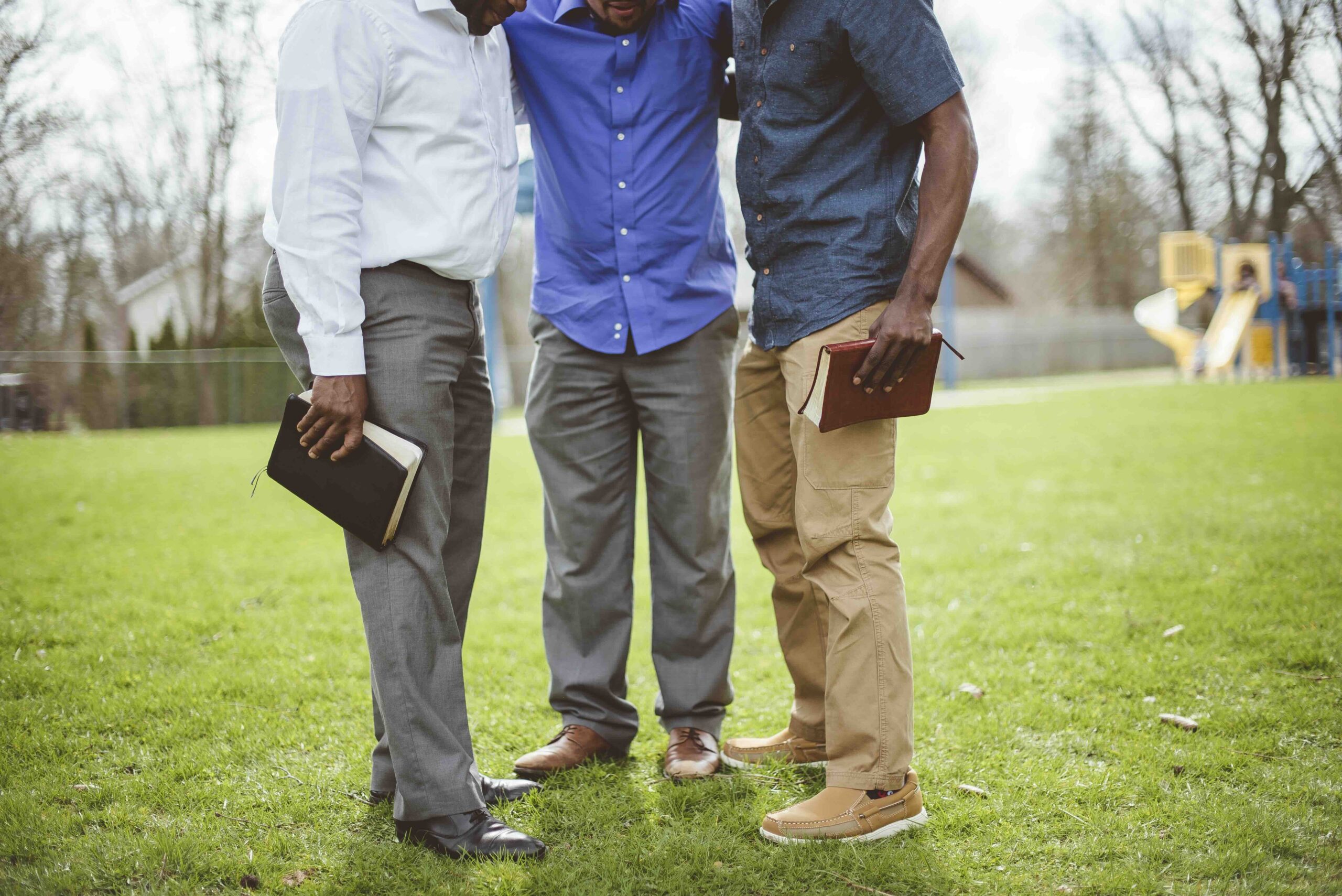
What Does It Mean to “Make Disciples”?
The verb mathēteuō means far more than transmitting information. It carries the idea of training someone to live according to the ways of the teacher. Vine’s Expository Dictionary defines it as discipling “in all ways and in all things.” Bible Hub adds that it involves not only the imparting of knowledge but also the shaping of character and life to align with the teachings of Christ.
In short, disciple-making is a comprehensive, relational, Scripture-centred process. It involves teaching, mentoring, correcting, encouraging, and modelling a life of obedience to Jesus.
Within Bible-believing church traditions, the language of discipleship has sometimes been replaced with other shepherding concepts—caring for the flock, meeting needs, providing programs, encouraging fellowship, and equipping believers for ministry. All of these are biblical responsibilities and essential to church health. A pastor who neglects them is indeed negligent.
And yet, despite all this activity, we can still struggle to define clearly what a disciple is and how disciples are made. Discipleship can feel elusive, difficult to pin down, and even harder to implement consistently. This lack of clarity matters. When disciple-making becomes vague, the church’s effectiveness in reaching the nations is weakened.
Why Disciple-Making Feels So Difficult Today
Many churches do well at helping new believers grow in their early walk with Christ. Where we often struggle is in sustaining long-term discipleship among faithful congregants. One reason is cultural. Discipleship, by nature, is deeply relational, and relationships resist being neatly programmed.
Modern Western culture—now deeply globalised—values privacy, independence, and efficiency. Our schedules are full. Our energy is limited. We guard our personal space carefully. Access to one another’s lives is often restricted, even within the church.
I am personally familiar with this struggle. It is tempting to protect my calendar, to limit commitments, and to retreat into comfortable isolation. I suspect many believers feel the same tension. As we grow older, energy wanes, responsibilities increase, and engaging deeply in church life can feel overwhelming.
At times, we must acknowledge an uncomfortable truth: the greatest obstacle to disciple-making may not be external—it may be us. This is not merely a personal problem; it is a societal one. And it is not going away.
Yet discouragement is not the answer. We cannot rewind history or recreate first-century culture. But we can honestly assess where we are and return to Christ’s design.
This brings us to a central conviction that shapes everything else.
Discipleship Is Influence
At its core, discipleship can be distilled into one concept: influence.
We live in a world saturated with influencers. Social media platforms have elevated ordinary individuals to positions of extraordinary influence—sometimes for good, often for selfish gain. People are shaped daily by voices they trust, follow, and admire.
This should not surprise us. Influence has always been powerful. What is striking is that Jesus designed disciple-making as the most profound and enduring form of influence imaginable. Through intentional relationships grounded in truth, He established a process that would expand His kingdom across generations and continents.
Every disciple-maker is, therefore, a gospel influencer. And unlike fleeting digital trends, this influence produces transformed lives with eternal consequences. Jesus understood this perfectly. Before going to the cross, He prayed to the Father:
“I glorified you on earth, having accomplished the work that you gave me to do.” (John 17:4)
While His atoning sacrifice was still to come, Jesus had already completed the work of investing His life in eleven men who would, by God’s power, turn the world upside down.
What Discipleship Looked Like in the Early Church
Jesus’ call to discipleship was radical:
“If anyone would come after me, let him deny himself and take up his cross and follow me.” (Matthew 16:24–25)
Paul echoed this same pattern of influence when he wrote:
“Brothers, join in imitating me, and keep your eyes on those who walk according to the example you have in us.” (Philippians 3:17)
These passages are saturated with influence. Jesus modelled it perfectly. Paul followed His example and then invited others to follow him as he followed Christ.
Discipleship, however, is not merely example, service, or friendship—though it certainly includes all of these. At its heart, discipleship is influence empowered by the Word of God. True disciple-making involves receiving biblical truth, applying it through practical instruction, and embodying it within real relationships. This kind of life-on-life engagement allows others to see both growth and weakness, obedience and struggle. And it is precisely there—where transformation is visible—that influence is most powerful.
This is what discipleship looked like two thousand years ago. And this is what it must look like today.
Disciple-Making Before Conversion
The command to make disciples also includes what precedes conversion. Evangelistic relationships are part of the disciple-making process— I think of it as discipling a person towards Christ. At times, this involves extended seasons of love and service before direct gospel proclamation is welcomed.
In such contexts, demonstrating Christ’s love without conditions is not a compromise—it is obedience. Like the Good Samaritan, we may simply meet needs, serve faithfully, and speak “words of grace” drawn gently from Scripture, trusting the Holy Spirit to work in His time.
This too is influence. God often uses what appears to be small, even shallow engagement to accomplish eternal purposes. We should never underestimate the power of God’s Word, however briefly or gently it is applied. But we should be clear, the building of redemptive relationships, by itself, at this level, is not really discipleship unless the gospel is being communicated.
Missionaries Are Disciple-Makers
Disciple-making is the foundational work of missions. Missionaries are, by definition, disciple-makers. If you desire to be a missionary, then making disciples ought to form part of your daily life. If we are not making disciples, we are not participating in Christ’s mission as He defined it.
Paul captures the fullness of this calling in Colossians 1:25–29, where proclamation, warning, teaching, and spiritual labour converge toward one goal: presenting everyone mature in Christ.
Every part of the discipling process involves building influential relationships for the glory of God. Graciously, God has chosen to use you and me in this process. He delights in using ordinary, inadequate people to accomplish extraordinary things for His glory.
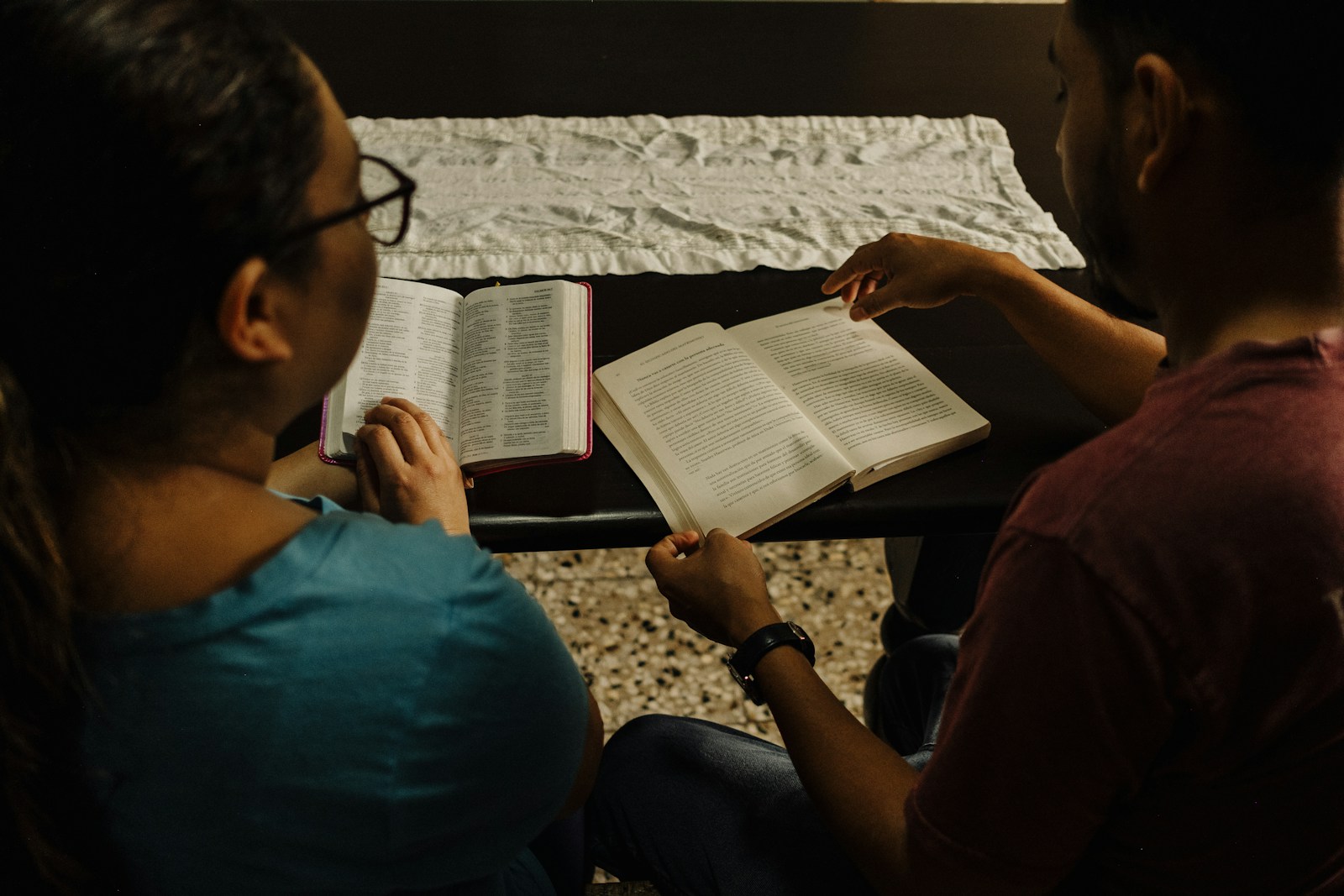
There Is No Formula—Only Faithful Obedience
Scripture offers no single discipleship program or manual. Instead, it presents a rich diversity of contexts and relationships: older women teaching younger women (Titus 2), spiritual multiplication through faithful men (2 Timothy 2:2), parents discipling children (Ephesians 6:4), and believers exhorting one another daily (Hebrews 3:13).
Disciple-making is as varied as life itself. What matters is faithfulness, not uniformity.
Who Is Discipling the Disciple-Maker?
Those who are obediently engaged in the great commission enterprise are God’s special agents, deployed for His glory in furthering His spiritual kingdom by making disciples. This is all about Him and not about you. Therefore you should never attempt to make disciples in your own wisdom and strength. You must seek the wisdom that is from above through your own daily devotion to Christ through prayer and bible study. Surrender yourself daily to the Lord, and He will open ministry in front of you.
Invite another, more mature believer in the church to challenge you, and to encourage your ongoing spiritual growth. This requires humility and availability! Disciple-makers themselves must be discipled. This work cannot be sustained in our own strength. Ongoing devotion to Christ, submission to church leadership, and humble accountability are essential. This is God’s special design for the church, that we are to be watching out for each other.
Paul’s exhortation remains timely:
“Let us not grow weary of doing good, for in due season we will reap, if we do not give up.” (Galatians 6:9)
A Balanced Call Forward
As ambassadors of Christ, we are called to be spiritual influencers for the gospel. Disciple-making lies at the core of everything we do as Christians and forms the foundation of church planting—locally and globally. Where do you see yourself on this continuum? Are you being discipled? Are you intentionally influencing others toward Christ? I often ask the Lord a simple question: How can I help this person take the next step in their spiritual responsibility before You?
At Biblical Ministries Worldwide South Africa, we exist to serve the local church in answering that question—by strengthening disciple-making, supporting church planting, and partnering in gospel work across Africa and beyond. Burundi, one of the poorest nations in the world, remains a vivid reminder of how much work remains and how great the opportunity still is. Situated in central east Africa, it has a population of around 14 million souls. Although it is considered to be 93% Christian, only 35% of the population would consider themselves to be evangelical Christians. It falls within a region on our continent which our mission has targeted for special focus—Central East Africa. I hope you will join us in praying for this small, troubled nation.
Time is fleeting, and Jesus is coming! May God grant us clarity, courage, and faithfulness as we commit ourselves anew to the work He has entrusted to us—being spiritual influencers for His glory.
BMW SA offers an encouraging workshop called Mentoring for Ministry to equip churches like yours that are seeking maximum ministry effectiveness and to reach the community all around them with the gospel of Jesus Christ. Contact us to schedule a free workshop for your church leaders to learn how to raise up more leaders for the “work of the ministry” (Eph. 4:12.)
If you would like to learn more about our mission or partner with us in prayer and service, we invite you to connect with BMW SA by contacting us here, or following us on Instagram and Facebook. Join us in this Great Commission work!
